
Hardware
RFID readers and antennas
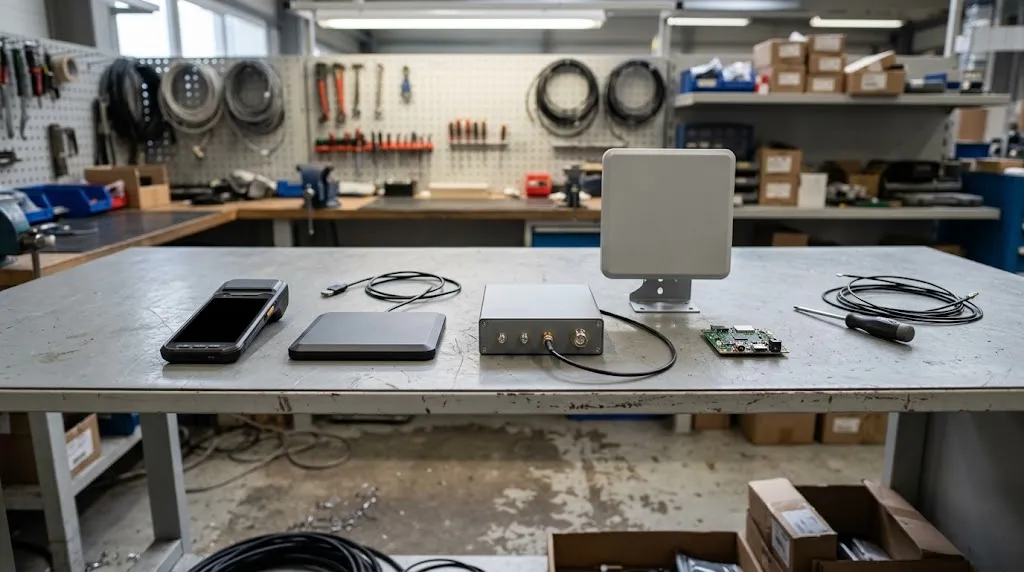
Handheld, desktop and fixed RFID readers, reader modules and antennas
Overview
An RFID reader sends and receives over an antenna to read transponders and write to them. Some readers have the antenna built in; others are connected by cable to one or more external antennas, placed where the items pass. Readers and antennas exist for the LF, HF (NFC) and UHF bands, and the band decides how far a reader reaches and which transponders it can read. What a reader reads goes on to a PC, a network or another system, which processes it. Identech AG selects, supplies, commissions and maintains readers and antennas.
Types
Handheld readers
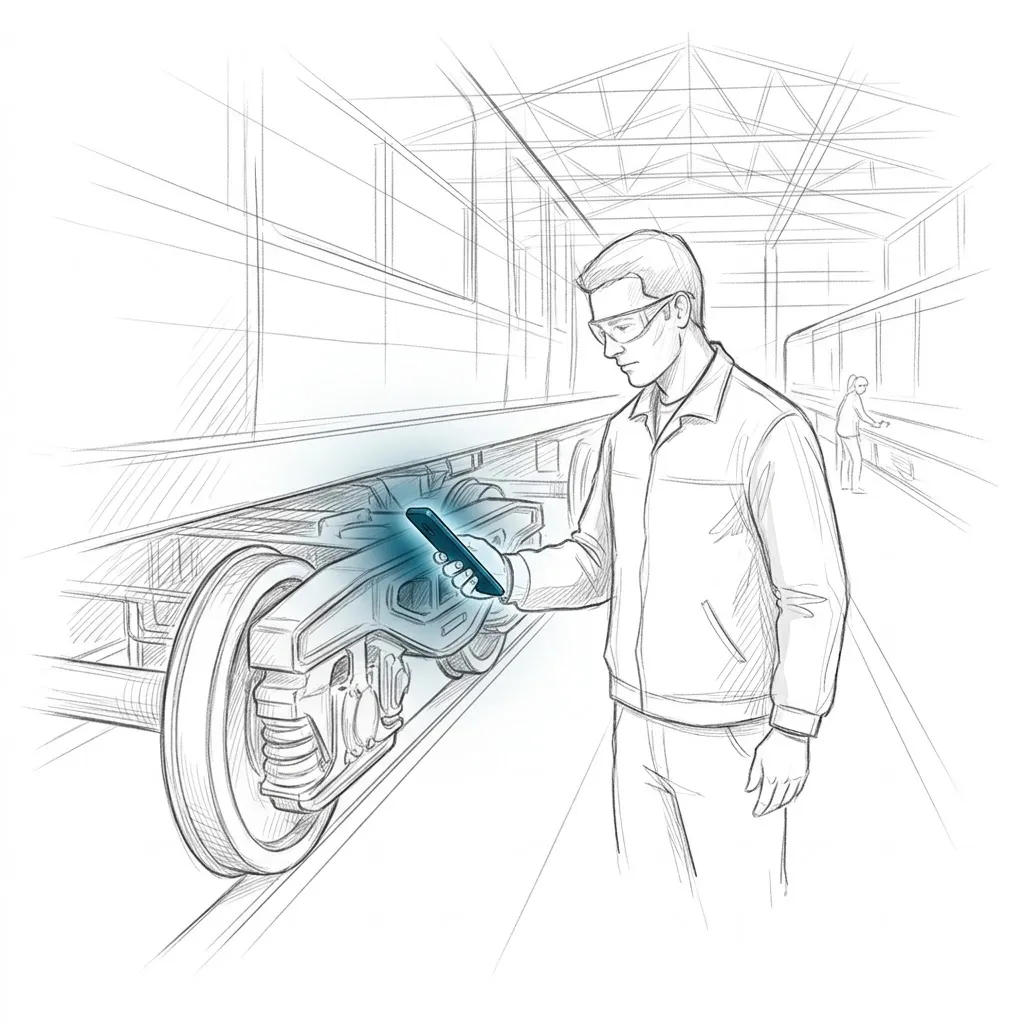
A handheld reader is battery-powered and is taken to the item rather than the item to it. It reads and writes transponders and also scans barcodes. Simpler devices pass what they read to a paired PC or smartphone. Mobile computers are like a smartphone with a reader built in, and send the data over the company network. Handheld readers connect to their host by Bluetooth or WLAN.
Applications
- Checking tools, equipment and assets in the field

Desktop readers
A desktop reader is a small reader set on a desk or workbench. The item, or the transponder itself, is laid on it or held over it. The reader reads and writes the transponder and passes the data to the PC it is connected to.
Applications
- Programming transponders before they are attached
- Booking items in and out at a workbench or counter
- Issuing and returning items at a lending desk
- Checking the transponder of a single item at a test station
Fixed readers
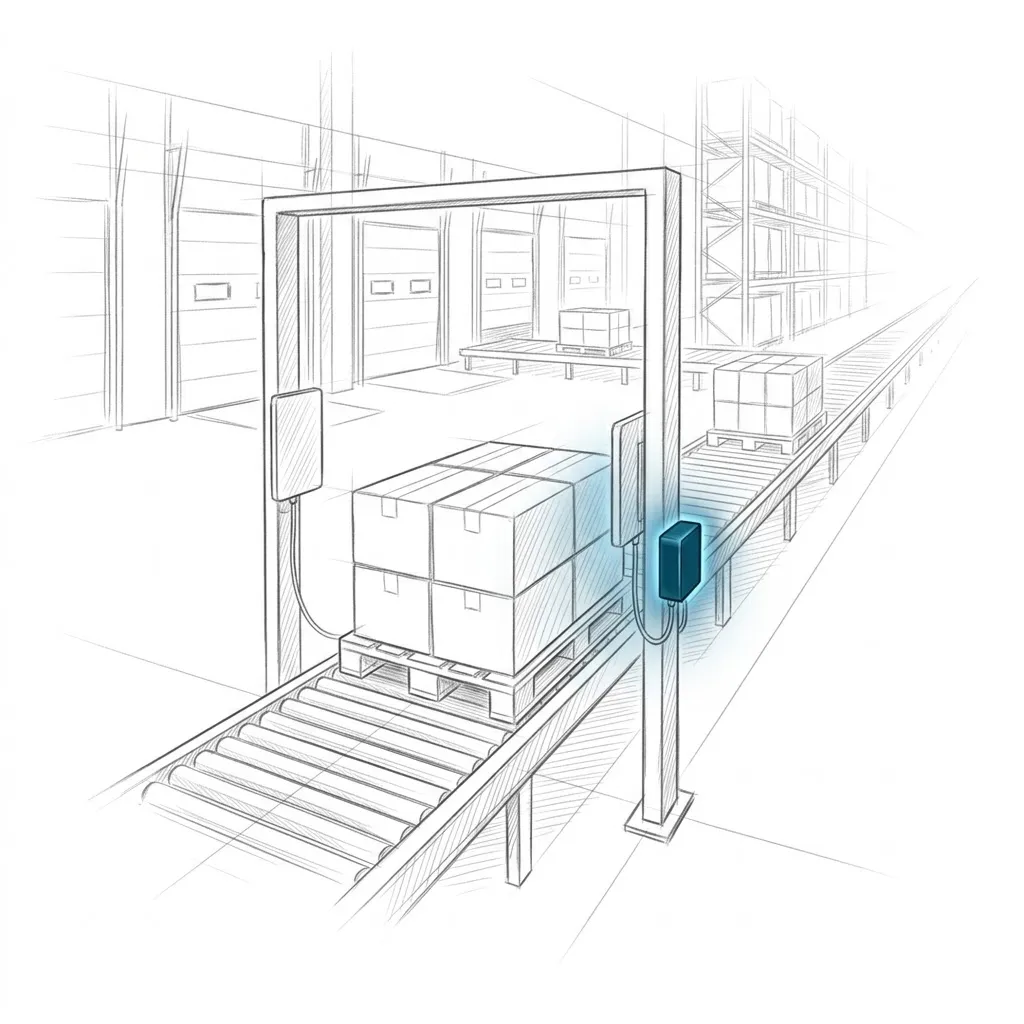
A fixed reader is mounted permanently at a passage, a conveyor or a station. It reads and writes transponders, and it reads every transponder that passes without anyone handling the item. It passes the reads to a host system over the network. Some fixed readers have the antenna built in; others are connected to one or more external antennas. Inputs let a signal such as a light barrier start the reading, and outputs let the reader switch a lamp or a barrier in response.
Applications
- Recording goods passing a dock door or goods-in gate
- Identifying items on a conveyor
- Identifying vehicles or containers at an entrance
Reader modules
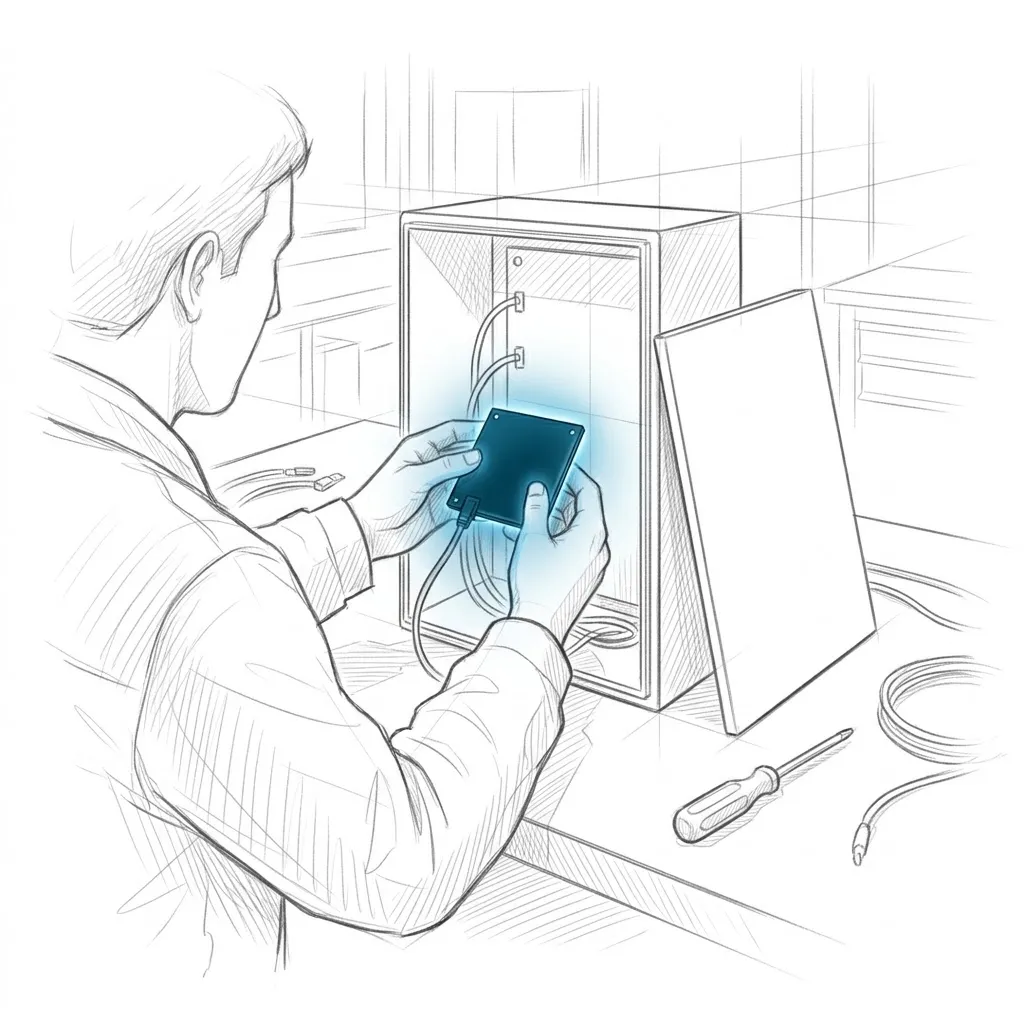
A reader module has no housing of its own and is built into another device such as a terminal, a cabinet or a machine. It reads and writes transponders. The device's manufacturer or an integrator connects it, and the people using the device never handle the module directly.
Applications
- Identifying tools or workpieces inside a machine
- Self-service terminals and access control
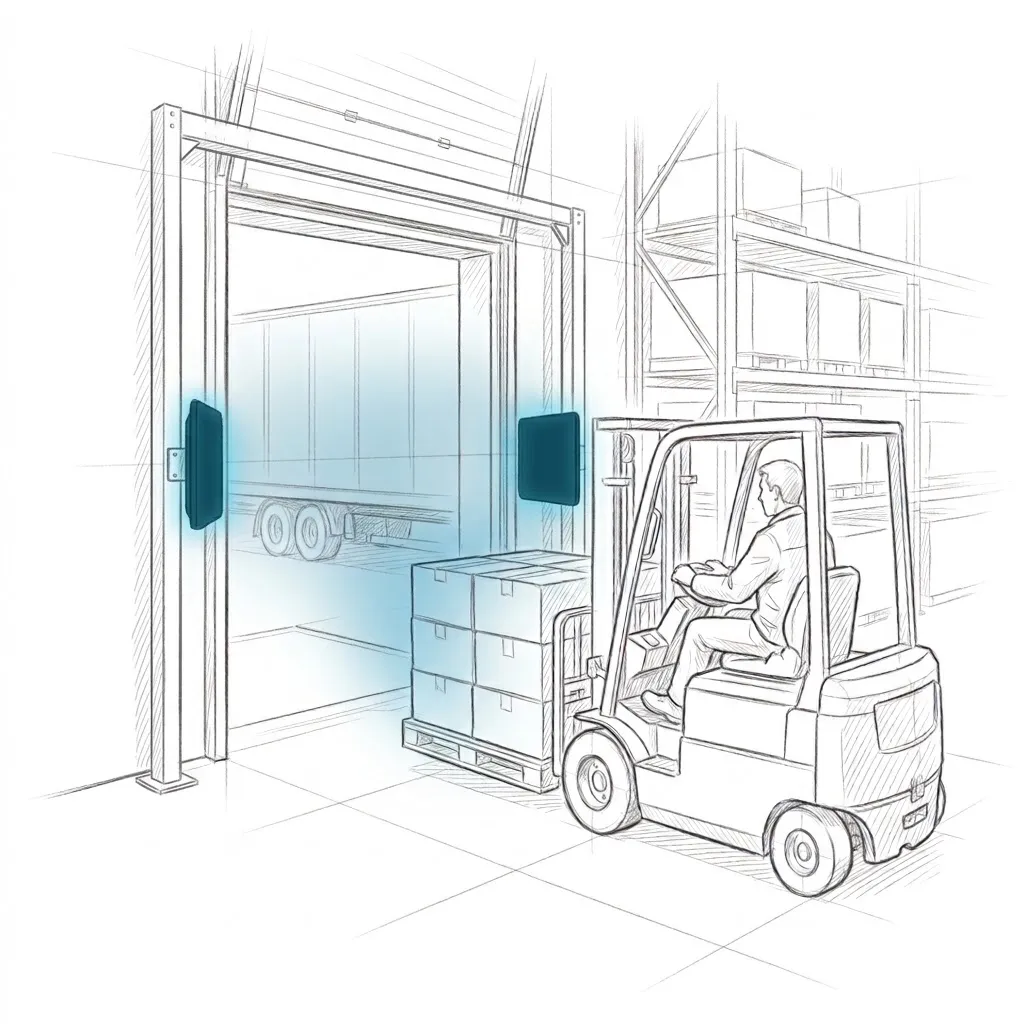
Panel antennas
A panel antenna is flat and mounted on a wall, a ceiling, a frame or beside a conveyor. It is connected by cable to a fixed reader. Several panels on one reader cover a passage from more than one side.
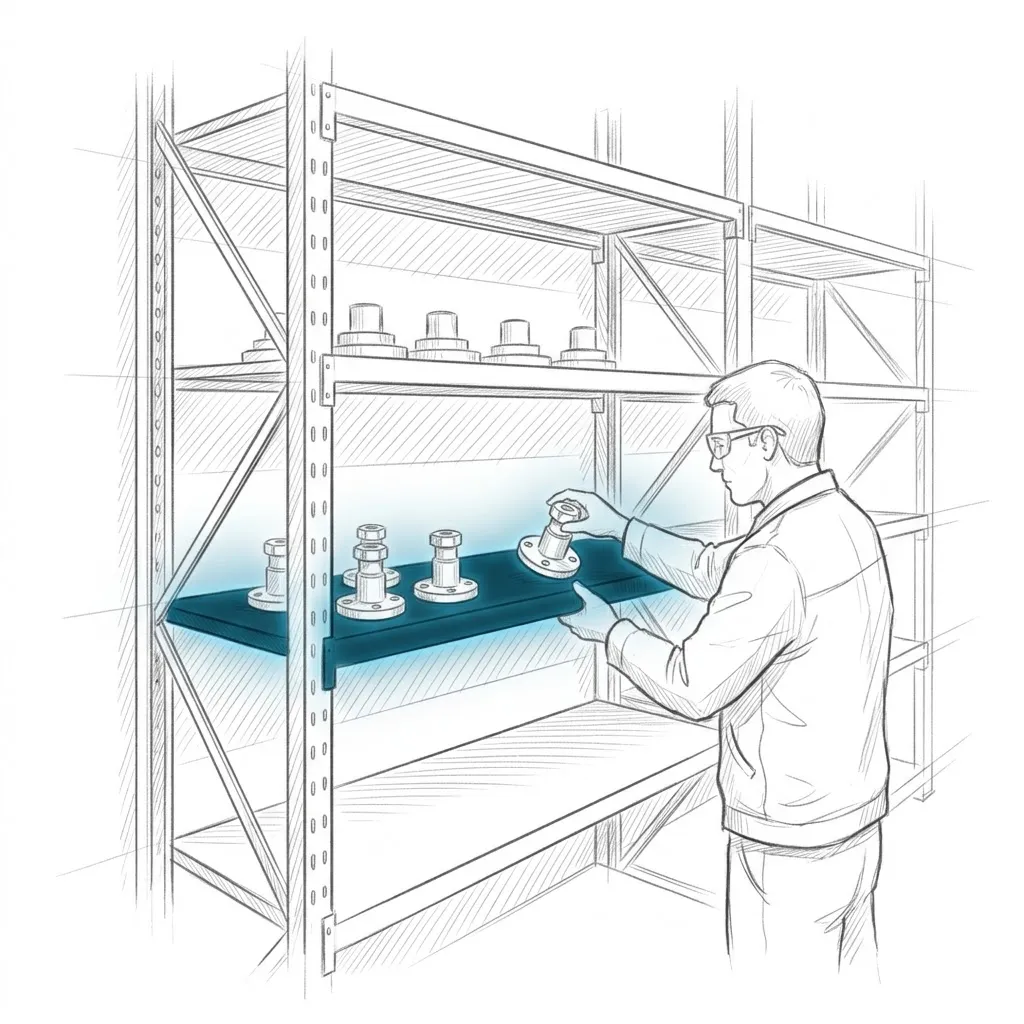
Near-field and shelf antennas
A near-field antenna has a short, contained field. It is laid in a shelf, placed under a pad, or built into a drawer or cabinet. It reads the items that are there and nothing next to them.
Applications
- Shelves that record what is on them
- Cabinets and drawers that record what is taken out
Where this product helps
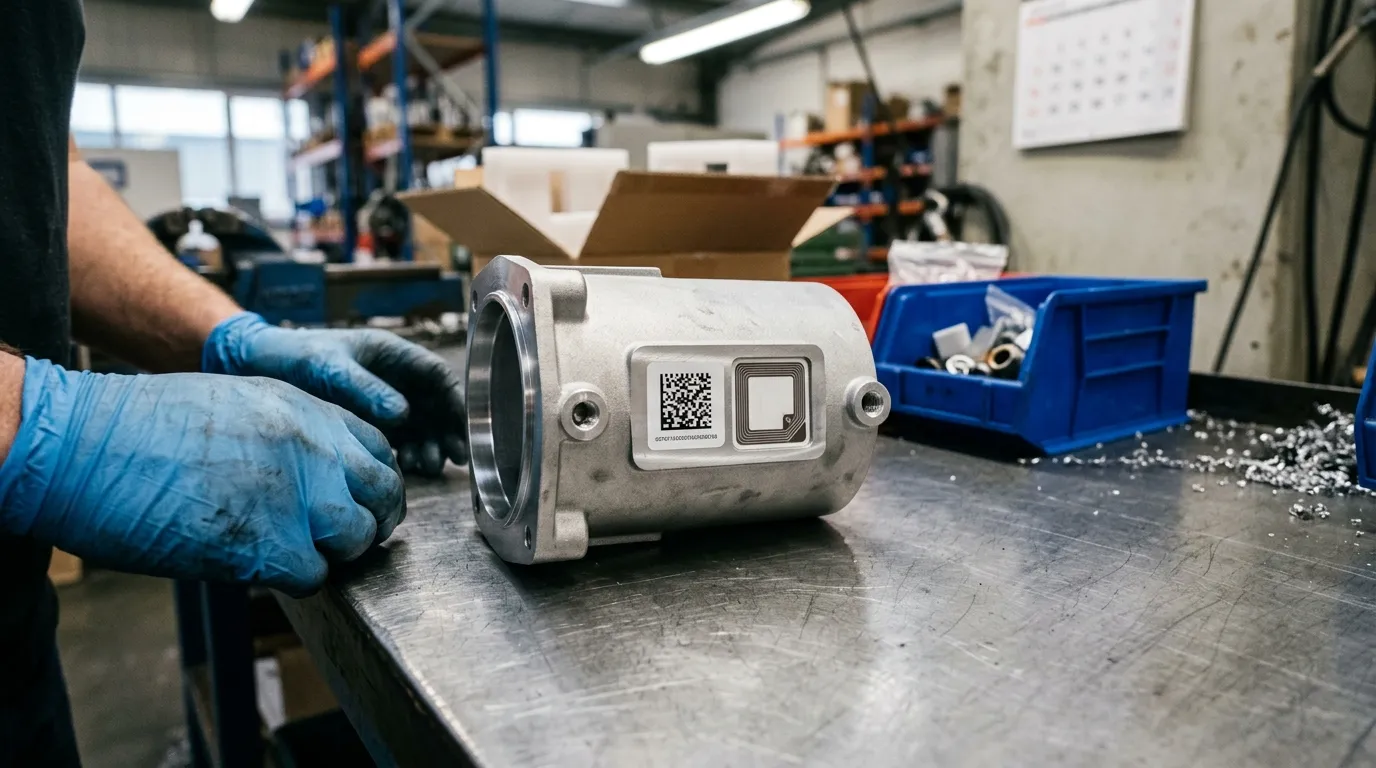 Automotive and rail suppliers
When your customer asks for RFID on the part
Your customer now expects an RFID transponder on the parts you ship, next to the GS1 label. Your systems were never set up to program one.
Learn more →
 Paperless manufacturing
From route card to digital process
Your route card is right only on the day it was printed, and traceability ends at a tick in a binder. You spot mistakes at final test, or at your customer's.
Learn more →
Tell us about your use case
Together, we work out whether and how your process can be digitized.